Self-Love & Worthiness Meditations: A 7-Day Audio Ritual

Meditations for Self-Love & Worthiness: A Gentle Audio Ritual for Confidence, Calm, and Inner Healing
Self-love and worthiness can feel out of reach when stress, self-criticism, or old patterns take over. A supportive audio practice can make it easier to slow down, reconnect with the body, and replace harsh inner dialogue with steadier self-trust. This guide breaks down what to look for in a self-love and worthiness audio course, how guided meditations, affirmations, and mindfulness work together, and simple ways to build a consistent routine that supports confidence, calm, and inner healing.
What “self-love” and “worthiness” practices actually build over time
Self-love isn’t a mood you either have or don’t have—it’s a set of repeatable skills that strengthen with practice. The same is true for worthiness: it becomes an inner baseline that’s easier to access when life gets loud.
- Self-love as a skill set: Over time, practice builds self-kindness, clearer boundaries, and the ability to recover after setbacks without spiraling into shame.
- Worthiness as an inner baseline: You begin to feel more allowed to rest, receive support, and take up space—without needing to “earn” it first.
- Why consistency matters more than intensity: Small daily repetition reshapes attention and self-talk more reliably than occasional long sessions.
- How inner healing often shows up: Fewer emotional spirals, quicker recovery after stress, and more compassionate choices in everyday moments.
Research and clinical resources generally support mindfulness as a helpful tool for stress reduction and emotional regulation when practiced safely and consistently. For a grounded overview, see the NCCIH guidance on meditation and mindfulness and the American Psychological Association’s overview of mindfulness meditation.
How guided meditations, affirmations, and mindfulness support confidence and calm
Self-love audio courses often combine three complementary tools. Together, they work like a gentle “retraining plan” for the nervous system and inner dialogue—especially when motivation is low or the mind is busy.
- Guided meditations: Provide structure when thoughts are scattered. Step-by-step prompts are especially helpful for people who struggle to practice in silence.
- Affirmations: Reinforce new beliefs through repetition. They’re most effective when paired with a felt sense—breath, body awareness, or an emotion that makes the words believable.
- Mindfulness: Trains non-judgmental attention so you’re less likely to over-identify with negative thoughts.
- Confidence building: Strengthens compassionate self-perception, values-based action, and steady self-encouragement.
- Calm and nervous-system support: Slow breathing, grounding cues, and imagery can help shift from fight-or-flight into rest-and-digest.
| Tool | Best used when… | A simple cue to try |
|---|---|---|
| Guided meditation | Starting a new routine or feeling emotionally flooded | “Follow the next instruction; no need to do it perfectly.” |
| Affirmations | Negative self-talk loops or low motivation | “Say it slowly and look for one place in the body that softens.” |
| Mindfulness | Racing thoughts, stress, or difficulty sleeping | “Notice breath; label thoughts as ‘thinking’ and return.” |
What’s included in the Meditations for Self-Love & Worthiness audio course
If a structured audio ritual feels like the missing piece, Meditations for Self-Love & Worthiness | Audio Course | Guided Meditations, Affirmations & Mindfulness for Confidence, Calm, and Inner Healing is designed to meet real-life schedules—without turning inner healing into another performance metric.
- Guided audio format: Easy to use at home, on walks, or as part of a wind-down routine.
- Blended practices: Combines guided meditation, affirmations, and mindfulness to support confidence, calm, and inner healing.
- Flexible pacing: Short sessions for busy days and longer sessions when you want more support.
- Supportive focus: Helps build a kinder inner voice, strengthen self-trust, and feel more grounded during stress.
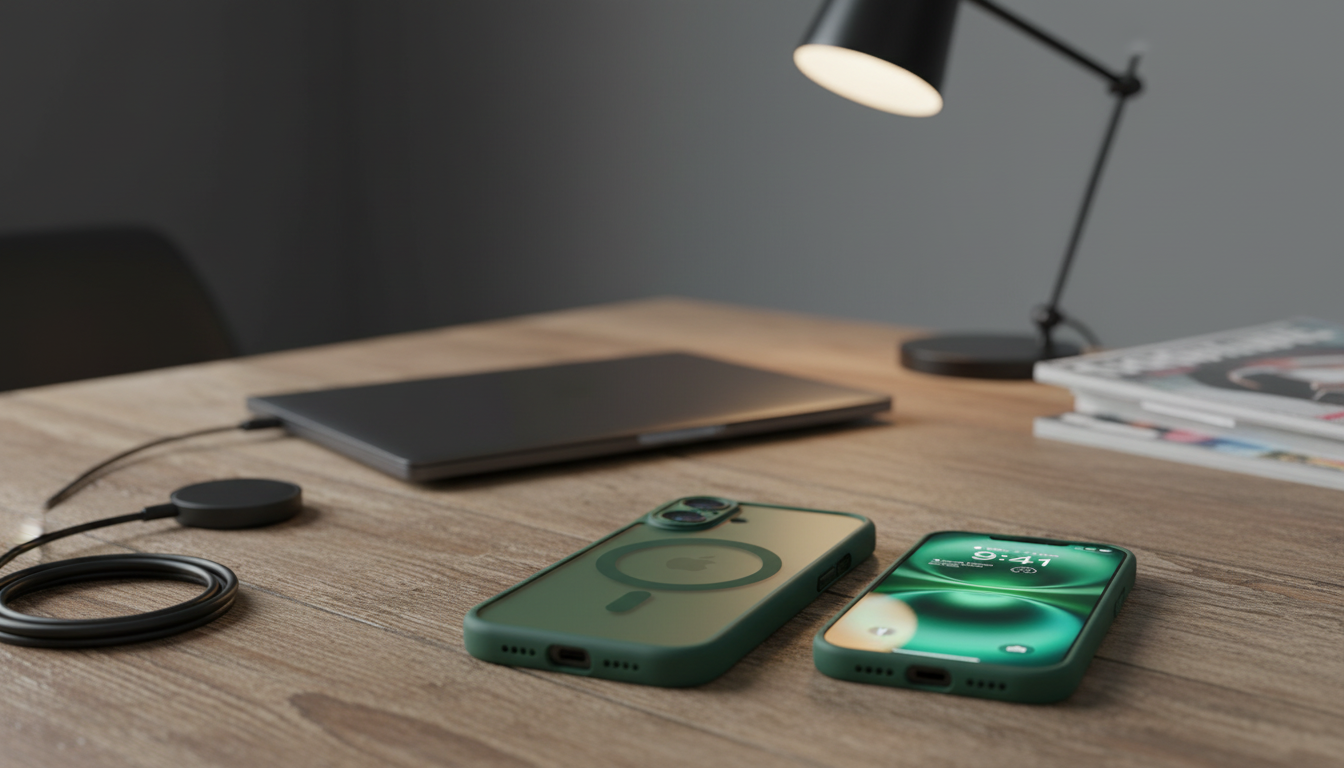
If listening on the go is part of your routine, a reliable battery can remove friction. Pairing your audio practice with a 20W Fast Charging Power Bank 10000mAh for iPhone 16/15/14/13/12 can help keep sessions consistent during commutes, travel, or long days away from an outlet. For dependable charging at home or in the car, consider a 240W USB-C Fast Charging Cable for Apple iPhone 16, MacBook & More.
A 7-day rhythm to make the practice stick (without pressure)
Instead of aiming for a “perfect” habit, try a one-week rhythm that makes space for real moods and real schedules. Repetition matters, but so does gentleness.
Common obstacles and gentle fixes
Who this kind of audio course tends to help most
For a deeper look at self-compassion as a learnable practice, the Greater Good Science Center’s self-compassion resources offer practical, research-informed perspectives.
Ways to use the course alongside healthy support
FAQ
How often should guided self-love meditations be practiced to notice a change?
Most people notice meaningful shifts with 5–10 minutes on most days, especially when the practice is steady rather than occasional and intense. Track small signs like calmer self-talk, better boundaries, or faster recovery after stress.
What if affirmations feel uncomfortable or trigger more self-criticism?
Use bridge statements that feel believable, and pair the words with body sensations like a slower exhale or relaxed shoulders. If affirmations feel too activating, focus on grounding mindfulness first and return to gentler language later.
Can this kind of audio practice help with anxiety and sleep?
It can support relaxation by training attention and using paced breathing and calming cues, which may help the body downshift before bed. If anxiety or sleep problems feel severe or persistent, professional support can be an important next step.











Leave a comment